Understanding Minerals in Equine Nutrition
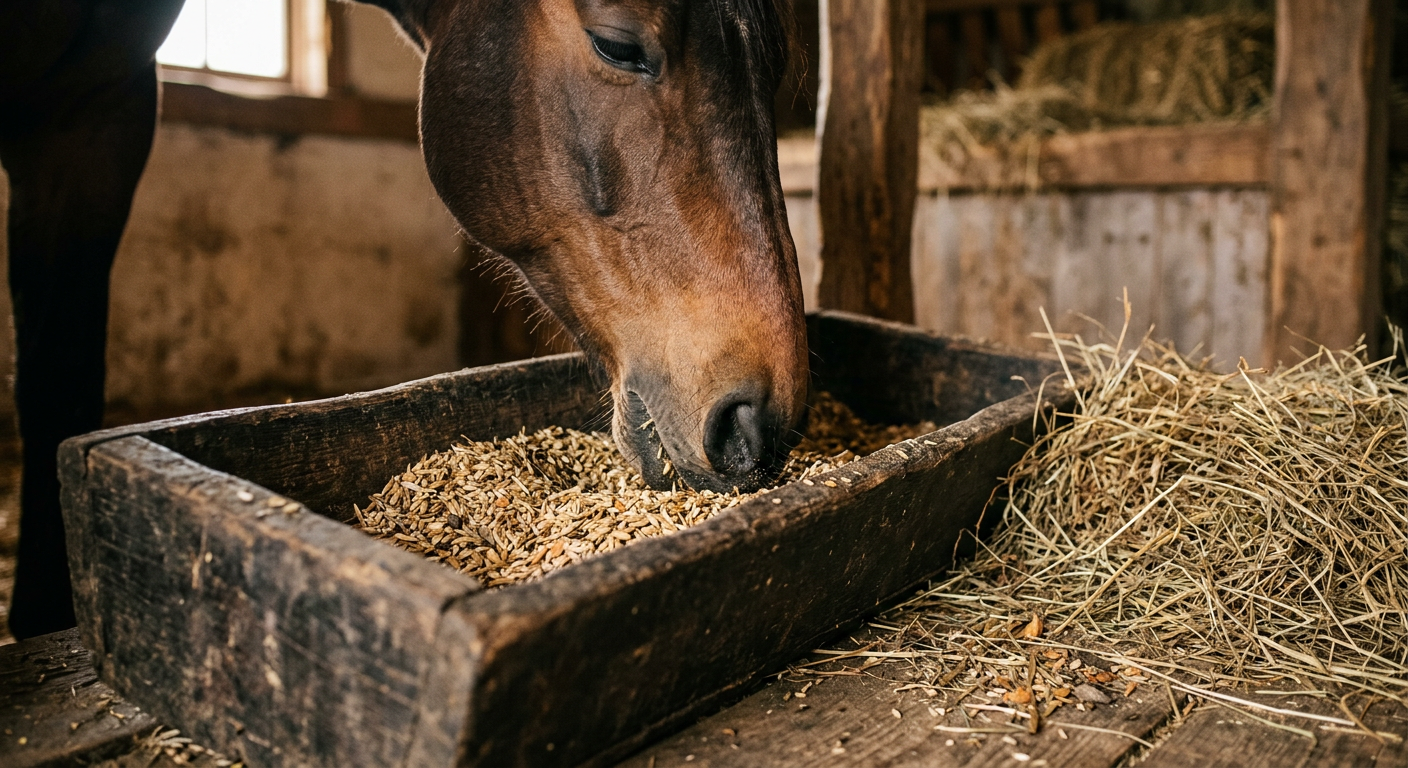
Minerals play critical roles in skeletal development, muscle function, enzyme activity and overall health. Understanding what your horse needs — and what it may already receive — is the starting point.
1. The Foundation: Forage as the Core of the Equine Diet
In modern equine management, it is tempting to focus primarily on concentrate feeds, supplements, and performance boosters. Yet physiologically, the equine digestive tract evolved over millions of years around a single dietary constant: long-stem fibrous forage consumed steadily across 16 to 18 hours per day.
Without adequate forage bulk, the equine stomach continues to secrete gastric acid around the clock, increasing ulcer risks. Meanwhile, the cecum and large colon require fiber to maintain normal peristalsis, microbial equilibrium, and hydration reservoir storage.
2. Water, Salt, and Electrolyte Dynamics
Every kilogram of dry matter consumed requires roughly 3 to 4 litres of water for smooth passage through the gastrointestinal tract. In India’s warm and humid seasons, sweat losses can quickly deplete sodium, potassium, and chloride.
Horses do not possess an innate instinct for phosphorus or calcium, but they possess a precise nutritional appetite for sodium. Free-choice salt licks and targeted electrolyte replacement ensure the thirst mechanism functions properly, protecting horses from impaction colic.
3. Tailoring Concentrates to Real Workload
One of the most frequent feeding errors is overestimating the horse’s workload. A horse ridden lightly 3 to 4 days a week for 45 minutes generally remains at maintenance or light work. Feeding high-energy sports concentrates to horses in light work can trigger excitability, obesity, and insulin resistance.
EquinPlus advocates matching energy and protein density directly to measured body condition scoring and genuine athletic output.
Key Principles to Remember
- •Provide a minimum of 1.5% to 2.0% of your horse's body weight in daily forage.
- •Keep clean, fresh water and pure salt accessible at all times.
- •Make every dietary change gradually over 7 to 10 days to protect the hindgut microbiome.
- •Consult with an equine professional before combining multiple vitamin or mineral supplements.
EquinPlus Advisory
Have Questions About Applying This to Your Horse?
Our team in Madhya Pradesh assists owners and facility managers in reviewing daily feeding routines and supplement plans.
Related Journal Articles
How to Build a Balanced Feeding Routine for Your Horse
Good nutrition starts with forage. Understanding how forage, water, salt, minerals and concentrate feeds work together is the foundation of responsible horse care.
Read Story →NutritionWhy Salt Matters for Horses
Sodium and chloride are essential electrolytes that horses cannot produce themselves. Every horse needs daily access to salt, yet it is one of the most commonly overlooked elements of equine nutrition.
Read Story →